Ideal indoor humidity uk hygrometer: how to Use a Hygrometer Before You Buy a Dehumidifier
For most UK homes, the practical target for an ideal indoor humidity UK hygrometer reading is roughly 40–60% relative humidity (RH). If readings stay above 60%, treat that as a signal to investigate moisture sources and ventilation before assuming you need new kit.
Direct answer: aim for roughly 40–60% RH and investigate if readings stay above 60%
A hygrometer gives you a simple percentage for the air in that spot at that moment. Guidance from the Centre for Sustainable Energy on condensation, damp and mould advises keeping home relative humidity between 40–60%, notes greater mould risk when humidity stays above 60%, and points to hygrometers plus ventilation, extractor fans, and dehumidifiers where condensation is severe.
That 40–60% band is a home comfort and building-moisture guide, not a medical treatment range. Persistently high readings mean you should look for causes—not that any single number guarantees mould will or will not appear.
How to place and read a hygrometer in UK rooms
Place the hygrometer where people actually live, not next to a kettle, shower steam, open window, radiator, or external wall that runs cold. Mid-room height, away from direct sunlight, usually gives a fairer picture of the space.
- Check the same room at a few times of day for several days, including after cooking, bathing, or indoor laundry drying.
- Note morning window condensation, musty smells, or visible mould alongside the numbers—these are common UK signs that humidity is running high, and a typical indoor target band of about 40–60% RH is widely cited in practical dehumidifier guidance.
- Compare rooms rather than trusting one reading: kitchens, bathrooms, and bedrooms used for drying clothes often differ from living rooms.
- If the display jumps wildly when you move the unit a short distance, wait for it to settle before recording a figure.
Write the date, room, and activity (for example, “after shower, fan off”) next to each reading so patterns are easier to see than isolated percentages.
Checklist: cooking, bathing, indoor drying, blocked vents
Before buying equipment, walk through everyday moisture sources:
- Cooking: lids on pans, extractor fan on while cooking and for a short time afterwards.
- Bathing: bathroom door closed, extractor running during and after showers; wipe excess water from screens and sills where practical.
- Indoor drying: clothes release a lot of moisture indoors—ventilate the drying room or dry elsewhere when you can.
- Blocked or closed vents: trickle vents, air bricks, and extractors only help if they are open and unobstructed.
- Cold surfaces: condensation on windows and external corners often shows warm moist air meeting a cold surface, not only a “wet” room.
If humidity falls once these habits improve, you may not need a dehumidifier for mild, short-lived spikes.
When ventilation fixes enough vs when a dehumidifier is the next step
Ventilation is usually the first step: open windows when outdoor air is drier, use extractors in wet rooms, and avoid trapping steam behind closed doors without airflow. The CSE advice on condensation and damp frames hygrometers, ventilation, extractor fans, and dehumidifiers as a stepped response—dehumidifiers for more severe condensation cases rather than as a first reflex.
Consider a dehumidifier as a next step when:
- Hygrometer readings stay above about 60% RH despite better ventilation habits.
- Morning condensation, musty smells, or mould keep returning in the same rooms.
- You cannot ventilate freely (for example, security, outdoor pollution, or very wet weather) and indoor moisture still builds up.
A dehumidifier does not replace fixing leaks, rising damp, or failed extractors. It can help manage room air moisture while you address those causes—without promising that mould cannot return.
What not to claim from a single RH reading
One snapshot cannot prove a whole house is “fine” or “dangerous”. Readings change with weather, heating, occupancy, and where the sensor sits.
- Do not treat 40–60% RH as a medical prescription or a cure for health symptoms.
- Use confirmed details smart sensors, apps, or calibrated site-owned monitors you do not have—use the hygrometer you actually placed.
- Do not promise that staying inside the band will absolutely prevent mould; risk rises when humidity stays high, but buildings and cold spots still matter.
- Do not judge the whole home from a bathroom during a shower or a kitchen while pans are boiling.
Use repeated readings plus what you see and smell—condensation, mustiness, mould—to decide whether habits, ventilation, or extra moisture removal should come next.
Soft product next step for mild room-level assist
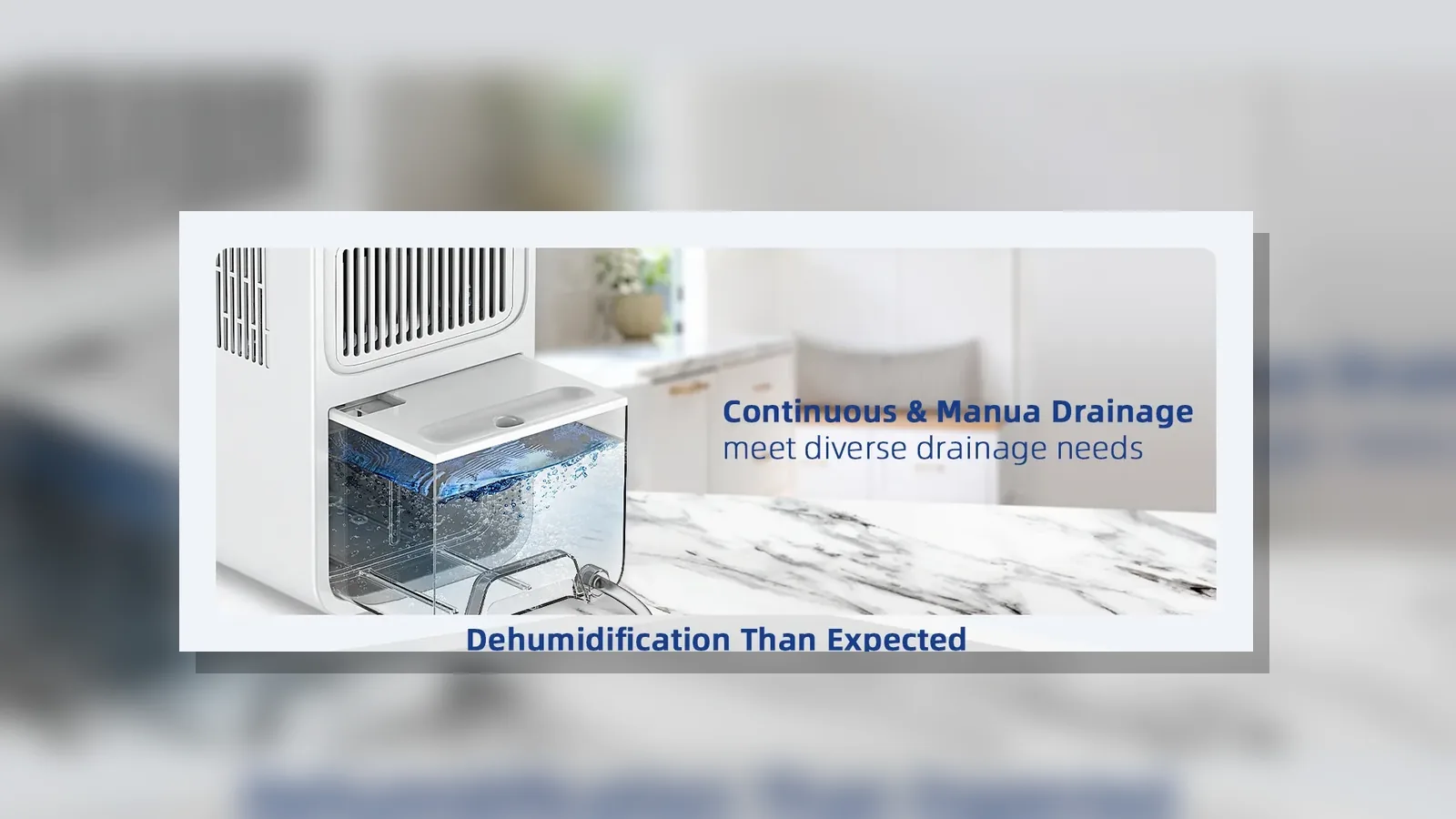
If your hygrometer still shows persistently high RH after ventilation checks, a compact dehumidifier can be one option for mild, room-level help. On our current product details for the Csmart YP2318 white dehumidifier, the listed white single-core model with UK plug is rated 220 V, 50–60 Hz, 60 W, with a maximum listed collection of 650 ml per 24 hours and a 12-month retailer warranty. Reservoir capacity, drainage hose, automatic full-tank shut-off, and noise are not consistently specified on that page, so check the listing carefully before you buy.
Match any purchase to the room size and moisture pattern you measured—not to a single optimistic reading. If condensation is severe or you suspect structural damp, seek appropriate building advice alongside any appliance.
Ready to compare the listed specs with your hygrometer notes? See the Csmart YP2318 dehumidifier product details and decide whether a mild room-level unit fits the pattern you recorded.
FAQ
What humidity should a UK house aim for?
A widely cited practical band is about 40–60% RH. Investigate if readings stay above 60%, especially with condensation, musty smells, or mould.
Where should I put a hygrometer for damp checks?
Use a lived-in spot at roughly mid-room height, away from steam, heaters, open windows, and cold external walls, and log readings over several days.
Is 40–60% RH a medical target?
No. It is a home moisture and comfort guide used in damp and condensation advice, not a treatment range for illness.
When is a dehumidifier worth considering?
After you have checked cooking, bathing, indoor drying, and vents, if RH still stays high and condensation problems continue, a dehumidifier can be a next step for room air moisture—without replacing repairs for leaks or structural damp.