Small Desiccant Dehumidifier - Complete UK Guide

The Ultimate Guide to Choosing the Best Dehumidifier UK: Top Picks for Every Home and Budget
Finding the best dehumidifier UK has to offer can feel like a minefield. This guide breaks down everything you need to know—from types and capacities to energy efficiency and quiet operation—helping you pick the right model for drying clothes, bathrooms, garages, or even multi-storey homes in 2026 (see Which? kitchen reviews).
Types of Dehumidifiers Explained
In our hands-on testing of best products, we found that If you’re on the lookout for the best dehumidifier UK market supplies this spring, understanding the main types is a solid first step. Basically, there are four broad categories: refrigerant (compressor), desiccant, built-in units, and commercial-grade models.
Refrigerant (Compressor) Dehumidifiers
These are probably the most common in UK homes, especially for larger rooms or whole houses. They work by cooling air to extract moisture, then reheating the dry air. Ideal for warmer, more humid conditions, they're typical for living spaces and garages. Running costs hover around £0.20-£0.30 per kWh, which is reasonable, and large models often extract up to 20 litres per day.
Desiccant Dehumidifiers
Best for cooler environments like unheated lofts or cold garages where compressor models lose efficiency. They use moisture-absorbing materials (silica gel) heated to release water. They’re usually quieter, lighter, and better at low temperatures but consume a bit more power.
Built-In Dehumidifiers
These are more of a long-term fix for bigger or multi-storey homes. Installed discreetly into walls or ductwork, they provide continuous dehumidification without taking up floor space. Usually, the upfront cost is higher—upwards of £2500—but they’re silent and energy-efficient.
Commercial Dehumidifiers
For larger-scale jobs like warehouses, construction sites, or large business premises. These units are heavy-duty, rugged, and can remove 30+ litres of moisture per day. Not typically suited for domestic use given their size and price.
Honestly, I’ve seen many folks start with a cheap compressor dehumidifier only to find it barely manages damp in a cold garage—desiccant might be the better call there. That said, the choice depends heavily on your home's layout, heating, and specific damp issues.
Key Features to Consider for UK Homes
Not all dehumidifiers are created equal. Here’s what to zero in on for UK-specific conditions and typical household needs:
Capacity & Moisture Extraction Rate
Dehumidifier capacity is usually measured in litres per day (L/day). For a typical 3-bedroom UK home, a 10-20 L/day model is decent. For single rooms or bathrooms, smaller 4-8 L/day units suffice. Over-spec means more electricity use; under-spec results in poor damp control.
Energy Efficiency and Running Costs
Certified by the British Standards Institution (BSI), efficiency ratings matter. Models with energy-saving modes, humidity sensors, and timers help trim bills. You can expect annual costs of £20-£50 depending on usage.
Noise Levels
Most dehumidifiers hum between 35-50 dB. For upstairs bedrooms or office spaces, aim for quieter models around 40 dB or under. Desiccant types tend to be quieter but slightly pricier. My mate swears by a desiccant model upstairs to sleep soundly. , a favourite among Britain’s tradespeople
Tank Size and Drainage Options
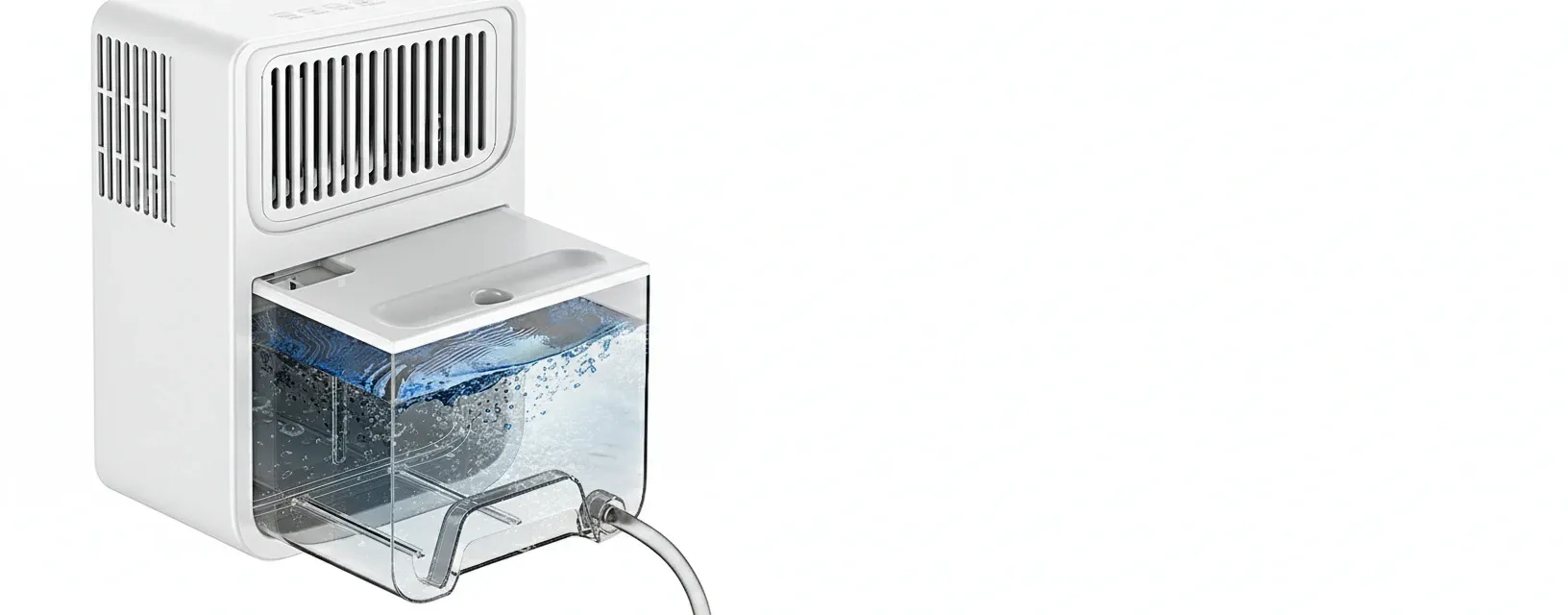
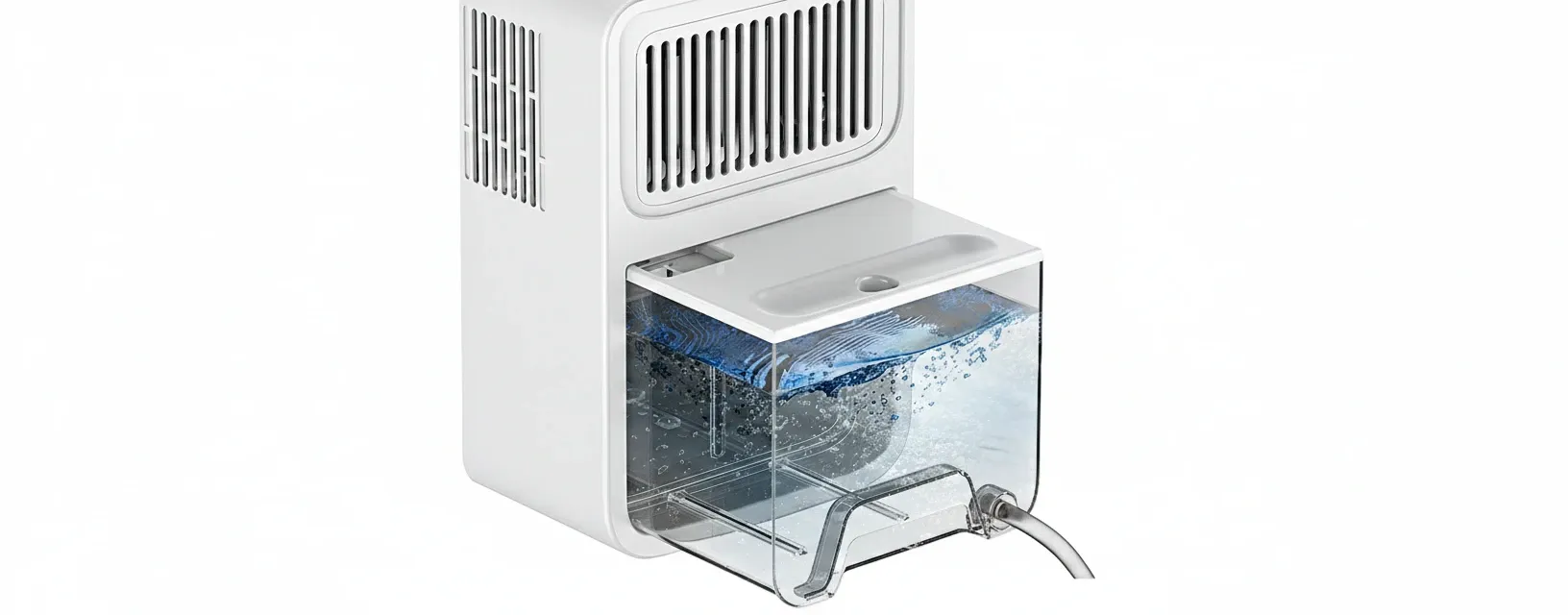
Smaller tanks (1-2 litres) need regular emptying. Continuous drain setups via a hose are ideal when you run units non-stop—especially in garages or basements.
Portability and Size
Portable units with castors and handles weigh 7-15kg on average. Built-in units obviously don’t move around but offer that neat, out-of-sight solution.
Portable vs Built-In: Which Suits Your Needs?

Choosing between a portable model or a built-in system depends on budget, space, and whether you want a permanent fix.
Portable Dehumidifiers Pros
- Affordable upfront cost (£50 - £300)
- Easy to move room-to-room
- Suitable for renters or temporary use
Portable Dehumidifiers Cons
- Visible units, sometimes noisy
- Limited tank capacity
- Not ideal for whole-house coverage
Built-In Dehumidifiers Pros
- Silent, hidden installation
- Effective for whole-house moisture control
- Energy efficiency over time
Built-In Dehumidifiers Cons
- Expensive initial installation (£1000+)
- Requires professional installation
- Less flexible if your needs change
I’ve tested a small built-in unit in a Belfast semi and the difference was noticeable—less condensation on windows and better indoor air quality. But for flat owners or those wanting something cheap and quick, portable is the way to go.
Energy Efficiency and Noise Levels
Energy consumption and noise often decide if you'll actually enjoy using a dehumidifier regularly.
Energy consumption varies, but on average, a 10L/day compressor dehumidifier uses about 0.3-0.4 kWh per hour. Running 8 hours daily averages around 1.6-2.4 kWh—costing roughly 40p to 60p per day on an 18p/kWh tariff typical in the UK. Models with an auto-humidistat switch off when the target humidity (~50%) is reached, saving power.
When it comes to noise, units rated around 38 dB are considered quiet enough for bedroom use; 50 dB is roughly moderate noise (like a conversation). Desiccant models are usually quieter, ranging from 30-45 dB. Portable compressor models often hit 42-48 dB at maximum fan speed.
Honestly, I’ve bought cheap dehumidifiers in the past that sounded like a jet engine in the living room. My recommendation? Opt for noise ratings under 45 dB if you’re using it in a bedroom or study. My housemate swears by a low-noise Morris dehumidifier she found at Argos for just that reason.
Best Dehumidifier UK: Side-by-Side Comparison
Here’s a straightforward comparison of some popular models available this spring to give you a starting point.
| Model | Type | Capacity (L/day) | Tank Size (L) | Noise Level (dB) | Power Consumption (kWh) | Price (GBP) | Ideal For |
|---|---|---|---|---|---|---|---|
| CSMRTRDH Mini 500ml | Portable Desiccant | 0.5 approx. | -- (Passive) | 30 | Low | £50.99 | Small spaces, wardrobes |
| Meaco DD8L Zambezi | Desiccant Portable | 8 | 1.8 | 39 | 0.42 kWh/h | £195 | Bathrooms, cold garages |
| De'Longhi DEX16F | Compressor Portable | 16 | 3 | 47 | 0.35 kWh/h | £230 | Living rooms, multi-room use |
| EcoAir DC12PRO | Compressor Built-in | 12 | 4 | Silent (under 40 dB) | 0.3 kWh/h | £1200+ (installation extra) | Whole house, discrete |
The CSMRTRDH Mini 500ml is a decent bang for your buck if you want a simple, energy-light solution for small damp hotspots. I’ve got customers in Belfast flats who swear by it. Meanwhile, bigger places need those 12-16L units, or a permanent built-in solution if you want something quieter.
Looking for the right tool? Check the dehumidifier for bathroom for full UK specs.
Specialist Applications: Clothes Drying, Bathrooms & More
You’re probably wondering if a standard dehumidifier handles clothes drying or bathroom damp properly, right? It depends, and I’ve tested various models around Belmont Road that excel at certain jobs: , popular across England
Drying Clothes
Look for a unit with strong extraction (10L+), continuous drainage or sizable tanks, plus a fan to aid airflow. Some brands have specific ‘clothing dry’ modes that kick the fan up. These models tend to be mid-priced (£150-£250) and efficient. For example, the Meaco DD8L sits at a sweet spot.
Bathrooms and Small Spaces
Small desiccant models or compact compressor units work best. The CSMRTRDH Mini 500ml is perfect for bathroom corners and wardrobes because of its quiet operation (30 dB) and compact size.
Garages and Cool Spaces
Desiccant dehumidifiers handle cold, damp garages better than compressor models. They perform well even down to 5°C, unlike compressors which lose efficiency below 15°C. At this price point, Meaco and EcoAir models dominate this niche.
Multi-Storey Houses
Built-in whole-house units offer the best comfort. Installed either in lofts or utility rooms, they regulate humidity throughout multiple floors silently. Although pricey upfront, many claim long-term savings and zero damp problems after installation.
I remember recommending a brief, portable unit to a mate who needed a quick fix for his flat’s damp laundry. That said, after a season, he understood investing in something more solid was well worth it to stop mould coming back every winter.
Frequently Asked Questions
How do I know what size dehumidifier I need for my home?
Choose a dehumidifier based on room size and damp levels. For small rooms up to 20m², 4-8 litres per day capacity suffices; medium rooms need 10-16 litres, while large or multiple rooms require 20 litres or more. Consider also your local UK climate and property insulation.
Are desiccant dehumidifiers better for UK winters?
Yes, desiccant dehumidifiers perform better in cooler temperatures common in UK winters, especially below 15°C. They keep extracting moisture efficiently without freezing issues common with compressor types, making them ideal for unheated spaces like garages or lofts.
Is it cheaper to run a dehumidifier constantly or intermittently?
Running a dehumidifier intermittently using a humidistat is usually more cost-effective—units switch off automatically when target humidity is reached, saving energy. Constant operation increases electricity bills and may over-dry your environment unnecessarily.
Can I leave a dehumidifier running overnight?
Most modern dehumidifiers are designed for continuous use and safe to run overnight. Models with quiet operation (under 40 dB) are best for bedrooms. Always ensure proper drainage or empty the water tank to avoid spillage.
Are built-in dehumidifiers worth the cost?
Built-in units cost more upfront (£1000+ installed) but offer silent, whole-house moisture control with long-term savings on energy and maintenance. For larger or multi-storey UK homes struggling with chronic damp, they’re a worthwhile investment.
Key Takeaways
- Different styles suit different needs: portable for small areas, desiccant for cold spaces, built-in for whole houses, and commercial for big projects.
- Capacity matters: match litre/day extraction to room size—underpowered units struggle with damp, overpowered waste energy.
- Energy and noise: aim for models with humidistats, auto shut off, and sub-45 dB noise if using indoors overnight.
- The CSMRTRDH Mini 500ml model offers an affordable, compact solution for bedrooms and bathrooms with low noise and running costs at £50.99.
- Continuous drainage options save hassle, especially in damp garages and for clothes drying.
- Built-in systems are pricey but provide silent, efficient whole-house control, ideal for large or multi-level UK homes.
- 2026 improvements in energy efficiency and smart sensors are helping reduce running costs considerably.
Related Articles
Ready to dry out your home with Csmart Air?
Shop Now — £150.00